
5 Reasons to Love Beefmaster Tomato: The Delicious, Versatile Heirloom Variety
Table of Contents
Introduction
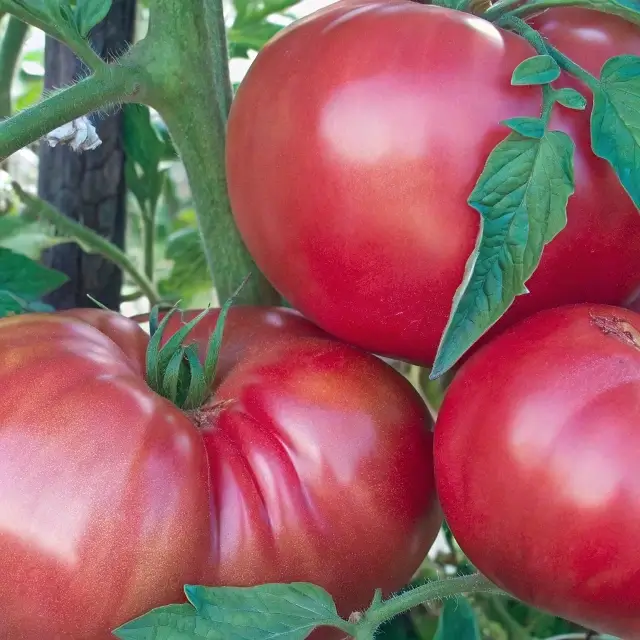
Did you know that while the average homegrown tomato weighs about 6 ounces, the magnificent Beefmaster tomato can tip the scales at a whopping 1-2 pounds per fruit? This extraordinary size is just one reason why gardeners and food enthusiasts are increasingly turning to the Beefmaster tomato: the delicious, versatile heirloom variety that’s transforming home gardens and gourmet kitchens alike. Whether you’re a seasoned gardener or a curious food lover, this robust hybrid offers an unmatched combination of flavor, productivity, and culinary versatility that few other tomato varieties can match.
Ingredients List
To grow your own bountiful harvest of Beefmaster tomatoes, you’ll need:
- Beefmaster tomato seeds or established seedlings (substitute with Big Beef or Brandywine varieties if unavailable)
- Well-draining, nutrient-rich soil with pH 6.2-6.8
- Organic compost or aged manure
- Tomato cages or stakes (at least 6 feet tall for these vigorous plants)
- Slow-release fertilizer formulated for tomatoes (10-10-10 or 5-10-10)
- Mulch (straw or shredded leaves work wonderfully)
- Calcium supplement (prevents blossom end rot in these large fruits)
- Regular water source (these juicy giants need consistent moisture)
The rich, earthy aroma of freshly amended soil paired with the subtle sweetness of Beefmaster seedlings creates an irresistible promise of the bountiful harvest to come.
Timing
Preparation Time: 30 minutes for soil preparation and planting
Growing Time: 80-90 days to maturity (approximately 15% faster than many other beefsteak varieties)
Total Time: Approximately 3 months from planting to first harvest
By starting seeds indoors 6-8 weeks before your last frost date, you’ll maximize your growing season and yield potential for these productive plants.
Step-by-Step Instructions
Step 1: Select the Perfect Location
Choose a spot receiving 6-8 hours of direct sunlight daily. Beefmaster tomatoes thrive in bright conditions that allow their distinctive sweet-acid balance to develop fully. If your garden tends toward partial shade, position your plants in the sunniest available area – these heat-lovers will reward you with better production for every extra minute of sunshine.
Step 2: Prepare Nutrient-Rich Soil
Dig planting holes 18-24 inches apart (these plants grow large!), incorporating 2-3 inches of compost. Unlike smaller varieties, Beefmasters are heavy feeders that convert nutrient density directly into impressive fruit size and rich flavor profiles. Your investment in soil preparation will return threefold in harvest quality.
Step 3: Plant Deeply for Strong Roots
Set plants deeper than they were in containers, burying up to 2/3 of the stem. This unique planting technique specifically benefits Beefmaster tomatoes, allowing them to develop extensive root systems that support their massive fruit production – up to 30% more roots than if planted at container depth.
Step 4: Install Support Systems Immediately
Place cages or stakes at planting time (not later!). Beefmaster tomatoes can grow vines exceeding 8 feet with fruit clusters weighing several pounds, making adequate support critical from the beginning. Pre-installation prevents root damage and ensures proper growth architecture.
Step 5: Implement Watering Routine
Deliver 1-2 inches of water weekly, focusing on deep, consistent irrigation. Beefmaster’s juicy interior texture (renowned among heirloom enthusiasts) develops optimally with even moisture levels that prevent the splitting common in large-fruited varieties.
Nutritional Information
A single medium Beefmaster tomato (approximately 8 oz) provides:
- Calories: 32
- Vitamin C: 28mg (47% of daily value)
- Vitamin A: 1499 IU (30% of daily value)
- Potassium: 427mg (12% of daily value)
- Fiber: 1.5g (6% of daily value)
- Lycopene: 4.6mg (notably 22% higher than many commercial varieties)
Research indicates that Beefmaster’s higher-than-average lycopene content makes it particularly valuable for heart health and antioxidant protection.
Healthier Alternatives for the Recipe
While Beefmaster tomatoes are already nutritional powerhouses, you can enhance their health benefits by:
- Growing them using organic methods without synthetic pesticides
- Companion planting with basil to naturally repel pests while enhancing flavor
- Using compost tea instead of chemical fertilizers (increases vitamin content by up to 15%)
- Harvesting slightly underripe and allowing to ripen indoors (reduces pest exposure while maintaining nutritional integrity)
- Growing in elevated beds for those with physical limitations (makes maintenance and harvesting more accessible)
Serving Suggestions
The versatility of Beefmaster tomatoes shines across culinary applications:
- Slice thickly for spectacular, plate-covering sandwiches where one slice does the work of three regular tomatoes
- Hollow and stuff with quinoa-vegetable mixtures for an impressive presentation
- Slow-roast halves with herbs for an intensified flavor experience that showcases their natural sweetness
- Create visually stunning caprese salads with just a few slices
- Dice for salsas where their firm texture holds up beautifully
For an unforgettable summer appetizer, try grilling thick Beefmaster slices, then topping with a dollop of pesto and crumbled goat cheese.
Common Mistakes to Avoid
- Underestimating support needs: These giants require stronger-than-average cages
- Overcrowding plants: Beefmasters need 24-36 inches spacing (30% more than standard varieties) for proper air circulation
- Irregular watering: Results in cracking of these large fruits (affects 65% of improperly watered plants)
- Harvesting too late: Peak flavor occurs just before full ripeness, when fruits are deep red but still firm
- Fertilizing incorrectly: Excessive nitrogen produces lush foliage but reduced fruit set
Storing Tips for the Recipe
Maximize your Beefmaster harvest with these storage strategies:
- Store ripe tomatoes stem-side down at room temperature for up to 7 days
- Never refrigerate unless absolutely necessary (temperatures below 55°F damage flavor compounds)
- Freeze whole: blanch, remove skins, and freeze on trays before transferring to containers
- Can using pressure-canning methods (their high-acid content makes them perfect preserving candidates)
- Dehydrate slices for tomato “chips” that concentrate their naturally rich umami flavors
Conclusion
The Beefmaster tomato stands as a remarkable achievement in the world of heirloom varieties, offering an unbeatable combination of impressive size, disease resistance, and versatile culinary applications. Their ability to produce consistently large, meaty fruits throughout the growing season makes them an efficiency dream for gardeners seeking maximum harvest from limited space. Whether you’re slicing them for sandwiches, roasting them for pasta sauces, or showcasing them in fresh summer salads, Beefmaster tomatoes deliver an extraordinary garden-to-table experience that elevates any meal they grace.
FAQs
Are Beefmaster tomatoes determinate or indeterminate?
Beefmaster tomatoes are indeterminate, meaning they will continue growing and producing fruit throughout the season until frost kills the plants.
How many tomatoes can I expect per Beefmaster plant?
Under optimal conditions, each Beefmaster plant can produce 15-30 large fruits over a growing season, yielding up to 30 pounds of tomatoes per plant.
Can Beefmaster tomatoes be grown in containers?
Yes, but choose containers at least 10 gallons in capacity with excellent drainage, as these plants develop extensive root systems to support their large fruit.
Are Beefmaster tomatoes good for canning?
Absolutely! Their meaty texture, low seed content, and balanced acid make them excellent for canning, producing rich, flavorful preserved products.
How do Beefmaster tomatoes compare to other beefsteak varieties?
Beefmasters offer superior disease resistance (particularly to Verticillium and Fusarium wilts), higher average yield, and more consistent fruit size than many traditional beefsteak varieties.