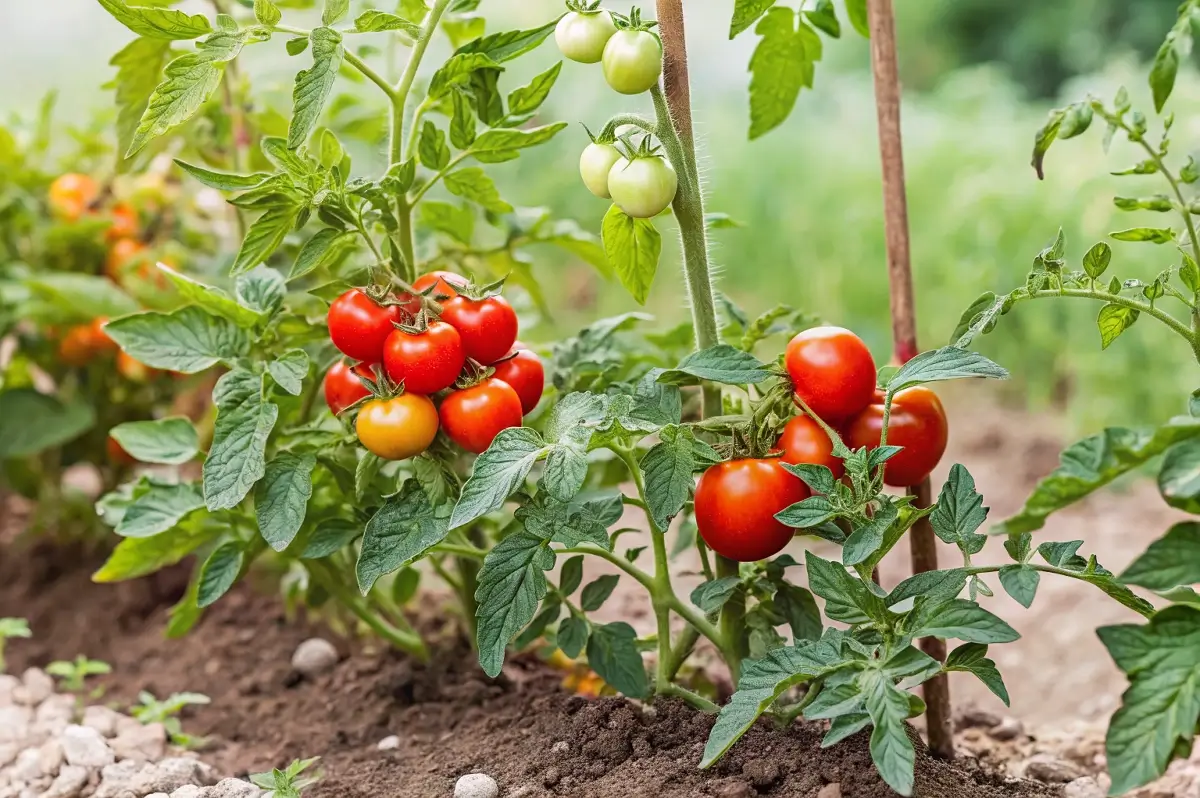
12 Best Tomato Companion Plants for a Bountiful Harvest
Table of Contents
Introduction
Did you know that planting the right companions alongside your tomatoes can increase yields by up to 30%? While most gardeners focus solely on soil quality and sunlight, companion planting might be the secret ingredient you’re missing for truly spectacular tomato harvests. This age-old gardening technique isn’t just folklore – scientific studies have demonstrated that specific plant combinations can naturally repel pests, attract beneficial insects, improve flavor, and enhance growth patterns. Whether you’re nurturing heirloom varieties or hybrid tomatoes, these 12 best tomato companion plants will transform your garden’s productivity while creating a balanced, thriving ecosystem.
Best Companion Plants for Tomatoes
1. Basil
Basil doesn’t just complement tomatoes in Italian cuisine – it’s a powerhouse in the garden too. This aromatic herb repels tomato hornworms, mosquitoes, and flies while improving flavor and growth.
Benefits: Research from the University of California shows basil can increase tomato yields by up to 20% when planted within 18 inches of tomato plants. The strong scent masks the tomato plant’s aroma, confusing pests that might otherwise target your crop.
Planting Tips: Plant basil 10-12 inches from tomato plants, with at least 2-3 basil plants per tomato plant for maximum benefit.
2. Marigolds
These bright flowers aren’t just for show – they’re workhorses in the tomato garden.
Benefits: Marigolds release a compound called alpha-terthienyl into the soil, which naturally suppresses nematodes and other soil-borne pests. Studies from Cornell University found a 70% reduction in nematode populations when marigolds were used as companion plants.
Planting Tips: Create a protective border around your tomato patch or intersperse marigolds throughout for maximum pest protection.
3. Nasturtiums
These edible, colorful flowers serve as a sacrificial trap crop while adding beauty to your garden.
Benefits: Nasturtiums attract aphids away from your tomatoes, effectively serving as a living pest decoy. They also attract pollinators and beneficial predatory insects like hoverflies.
Planting Tips: Position nasturtiums on the perimeter of your tomato patch, creating a protective barrier that draws pests away from your main crop.
4. Borage
This star-flowered herb is one of the most beneficial companions for tomatoes, yet remains underutilized in many gardens.
Benefits: Borage repels tomato hornworms and attracts beneficial pollinators. According to research published in the Journal of Agricultural Science, borage can improve tomato resistance to disease and stress while enhancing growth rates.
Planting Tips: Plant 1-2 borage plants for every 6 tomato plants, spacing them evenly throughout your tomato patch.
5. Carrots
These root vegetables form a mutually beneficial relationship with tomatoes below the soil.
Benefits: Carrots loosen the soil as they grow, improving aeration for tomato roots. Meanwhile, tomato plants provide shade for carrot tops, creating a symbiotic relationship that maximizes garden space.
Planting Tips: Sow carrot seeds 3-4 weeks before transplanting tomato seedlings for optimal timing and spacing.
6. Garlic
This pungent bulb boosts your tomatoes’ natural defense systems.
Benefits: Garlic contains high levels of sulfur, which acts as a natural fungicide, helping prevent tomato blights and other fungal diseases. Studies show interplanting garlic can reduce fungal disease prevalence by up to 65%.
Planting Tips: Plant garlic cloves around tomato plants in early spring, spacing them 6-8 inches apart.
7. Asparagus
This perennial vegetable creates a long-term beneficial relationship with tomatoes.
Benefits: Asparagus and tomatoes excrete chemicals that mutually repel their respective pests. The nematode-repelling properties of tomatoes protect asparagus, while asparagus helps deter root-knot nematodes from tomatoes.
Planting Tips: Plant tomatoes in the same beds as established asparagus after the spring asparagus harvest.
8. Parsley
This versatile herb doesn’t just garnish your plate – it significantly benefits tomato plants.
Benefits: Parsley attracts beneficial predatory insects like hoverflies and parasitic wasps that prey on tomato pests. Research shows gardens with parsley companions experience 40% fewer aphid infestations.
Planting Tips: Scatter parsley throughout your tomato patch, with at least one plant for every 4-5 tomato plants.
9. Chives
These mild alliums provide pest protection while taking up minimal space.
Benefits: Chives repel aphids and spider mites while attracting pollinators. Their shallow root systems don’t compete with tomatoes for nutrients or water.
Planting Tips: Plant chives in clusters around tomato plants, leaving about 8-10 inches between the chives and tomato stems.
10. Calendula
These vibrant marigold relatives serve as natural pest management centers.
Benefits: Calendula flowers attract beneficial insects while producing a sticky substance that traps aphids and whiteflies. They also improve soil health as they decompose.
Planting Tips: Intersperse calendula throughout your tomato patch, allowing 12-15 inches between these plants and your tomatoes.
11. Spinach
This leafy green serves as a living mulch for tomato plants.
Benefits: As a low-growing crop, spinach helps suppress weeds and keep soil cool and moist around tomato plants. Spring-planted spinach will complete its lifecycle just as tomatoes need more space.
Planting Tips: Sow spinach seeds in early spring, then transplant tomato seedlings among the maturing spinach plants.
12. Lettuce
This space-efficient companion makes the most of your garden real estate.
Benefits: Lettuce grows in the shade cast by tomato plants, making use of otherwise unused growing space. The shallow roots of lettuce don’t compete with tomatoes.
Planting Tips: Plant heat-tolerant lettuce varieties in the shadow of your tomato plants, harvesting continuously before the lettuce bolts.
Plants to Avoid Near Tomatoes
Poor Companions
While the right plants benefit tomatoes, others can inhibit growth:
- Potatoes: Share diseases with tomatoes
- Corn: Attracts tomato fruitworm
- Fennel: Inhibits tomato growth
- Brassicas: Compete for nutrients
- Walnut trees: Produce growth-inhibiting juglone
Conclusion
Companion planting represents one of the most effective organic strategies to maximize your tomato harvest. By strategically combining these 12 companion plants with your tomatoes, you’ll create a more resilient, productive garden ecosystem that naturally deters pests while enhancing growth and flavor. The beauty of companion planting lies in its simplicity – these plant partnerships mimic natural systems while delivering measurable benefits. Why not redesign your tomato patch this season and experience the difference these companion plants can make? Your reward will be healthier plants, fewer pest problems, and the most bountiful tomato harvest you’ve ever grown.
FAQs
Q: How close should I plant companions to my tomatoes?
A: Most companions should be planted 10-18 inches from tomato plants, though smaller herbs like basil can be as close as 6-8 inches. Avoid overcrowding by following spacing recommendations for each specific plant.
Q: Can I plant multiple companions with tomatoes?
A: Absolutely! The most effective companion planting systems include diversity. A combination of flowering plants, herbs, and vegetables creates the most balanced ecosystem.
Q: Will companion plants work with container-grown tomatoes?
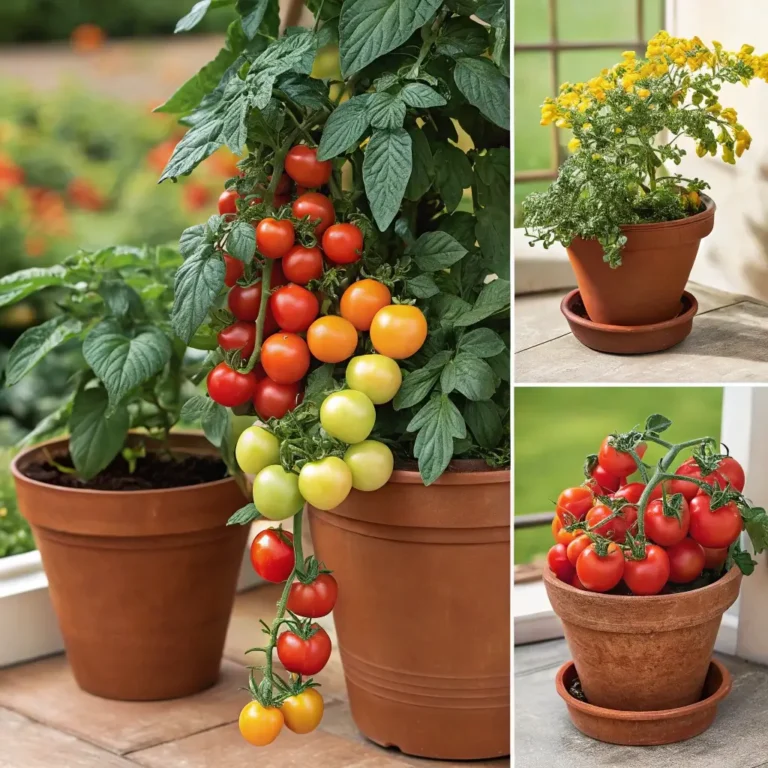
A: Yes, but choose smaller companions like basil, chives, or marigolds. Use containers at least 5 gallons in size to accommodate both plants without competition.
Q: When should I plant companions relative to my tomatoes?
A: For most companions, plant at the same time as tomato transplants. For carrots, spinach, and lettuce, start these from seed 3-4 weeks before transplanting tomatoes.
Q: Do companion plants work with all tomato varieties?
A: Yes, these companions benefit all tomato varieties, including heirlooms, hybrids, determinate, and indeterminate types, though benefits may vary slightly between varieties.