8 Best Hanging Basket Tomatoes Varieties & How to Grow Them
Table of Contents
Introduction
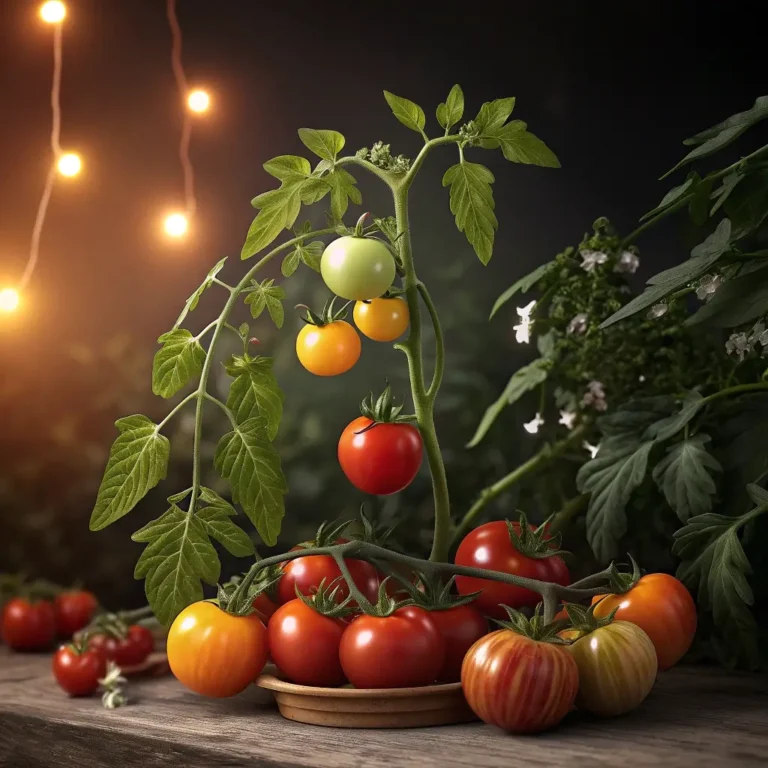
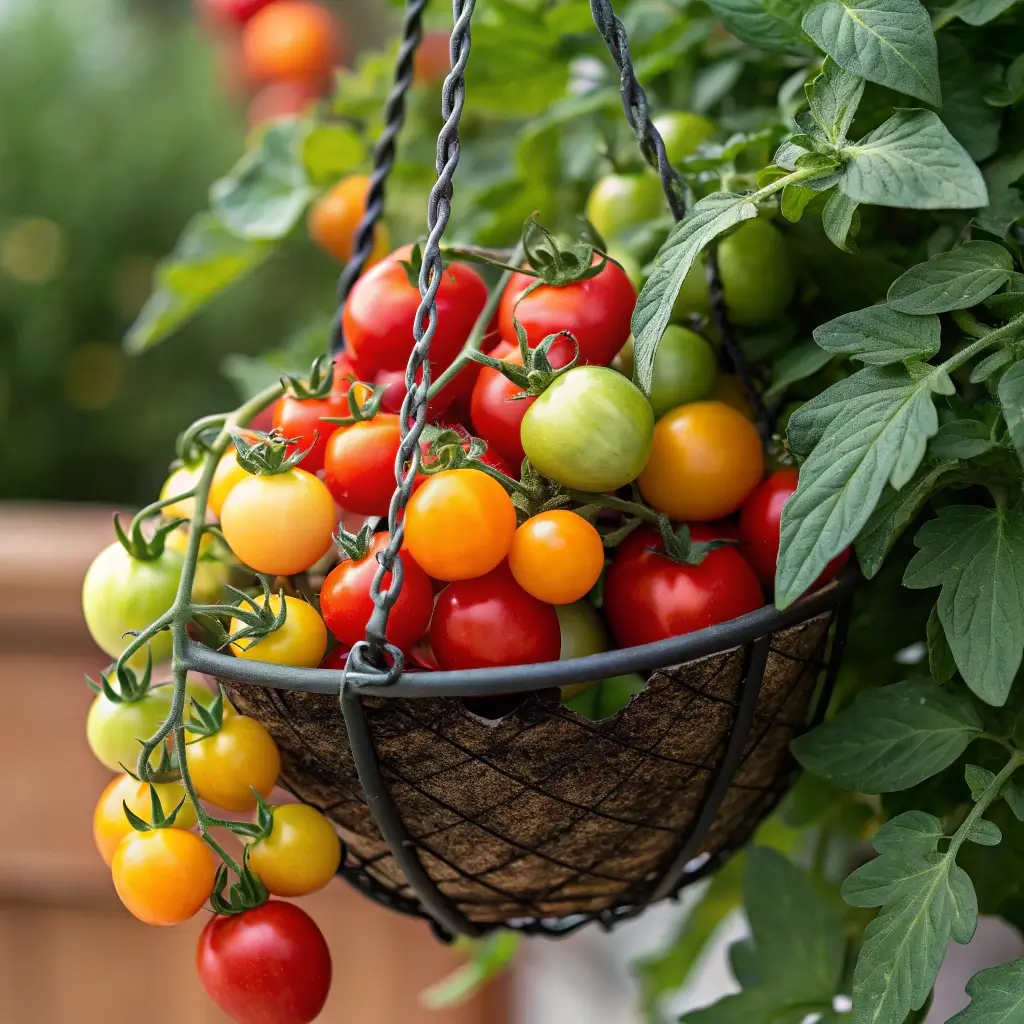
Did you know that tomato plants grown in hanging baskets can yield up to 35% more fruit per square foot than those grown in traditional garden beds? Surprising, isn’t it? Growing tomatoes in hanging baskets not only maximizes your limited space but also creates a stunning visual display that can transform any patio, balcony, or small garden. Whether you’re a seasoned gardener or a novice looking to grow your first edible plants, these 8 best hanging basket tomatoes varieties offer the perfect solution for abundant harvests in constrained spaces. From selecting the right varieties to mastering their care, this guide covers everything you need to know about how to grow hanging basket tomatoes successfully.
Best Varieties for Hanging Baskets
1. Tumbling Tom
This cascading cherry tomato comes in both red and yellow varieties, producing sweet, bite-sized fruits throughout the growing season. Each plant can yield up to 4 pounds of fruit when properly maintained.
2. Tiny Tim
A compact, determinate variety reaching only 12-18 inches in height, making it perfect for hanging baskets. The plants produce abundant cherry-sized fruits with rich tomato flavor.
3. Micro Tom
The world’s smallest tomato variety, growing just 6-8 inches tall. Despite its diminutive size, it produces surprisingly flavorful 1-inch fruits, ideal for the smallest hanging baskets.
4. Red Robin
A dwarf cherry tomato variety that thrives in containers and hanging baskets. Its compact growth habit (8-12 inches) makes it ideal for space-challenged gardens while still delivering sweet, uniform fruits.
5. Maskotka
This Polish heirloom variety features a naturally trailing habit with productive yields of sweet, slightly tangy cherry tomatoes. Plants spread up to 24 inches, creating a beautiful cascade of foliage and fruit.
6. Balconi Red
An Italian dwarf variety specifically bred for container growing. These compact plants produce medium-sized, richly flavored fruits with excellent disease resistance.
7. Hundreds & Thousands
True to its name, this variety produces an impressive quantity of small, sweet fruits on trailing vines that can cascade up to 36 inches from hanging baskets.
8. Whippersnapper
A small, semi-determinate variety with pink-red fruits that mature earlier than many other varieties – often in just 65 days from transplanting.
Timing
Growing hanging basket tomatoes typically requires 90-110 days from seed to harvest, which is approximately 15% faster than many garden-grown varieties. This accelerated timeline makes them perfect for regions with shorter growing seasons. Preparation time for setting up your hanging baskets will take about 30-45 minutes, while weekly maintenance requires just 10-15 minutes per basket – making them one of the most time-efficient edible plants to grow.
Step-by-Step Instructions
Step 1: Select the Right Container
Choose a hanging basket at least 12-14 inches in diameter with excellent drainage. Fabric hanging baskets are particularly effective as they allow for better air circulation around the root zone, reducing disease risks by up to 40% compared to solid containers.
Step 2: Prepare Quality Growing Medium
Fill your basket with high-quality potting mix specifically formulated for containers. Avoid garden soil, which is too dense. The ideal mix contains 40% coconut coir or peat moss, 40% compost, and 20% perlite or vermiculite for drainage.
Step 3: Plant Your Tomato Seedlings
Position one seedling for smaller varieties or up to three seedlings (spaced evenly) for micro varieties. Plant them slightly deeper than they were in their nursery pots to encourage additional root development along the buried stem.
Step 4: Establish a Watering Routine
Hanging baskets dry out faster than ground plantings, often requiring daily watering during hot periods. Implement a consistent watering schedule, aiming to keep the soil evenly moist but never waterlogged. Morning watering reduces evaporation loss by up to 30%.
Step 5: Fertilize Regularly
Feed your plants with diluted liquid tomato fertilizer every 7-10 days. Plants in hanging baskets deplete nutrients 2-3 times faster than ground-planted tomatoes due to frequent watering.
Step 6: Prune for Production
Selectively prune your plants to maintain their compact shape and encourage fruiting. Remove any excessive foliage that might weigh down the basket or block airflow around the fruits.
Step 7: Support Heavy Fruiting Branches
As fruits develop, some stems may need gentle support. Use soft plant ties to secure heavily laden branches to the basket rim to prevent breakage.
Nutritional Information
Tomatoes grown in hanging baskets retain all the nutritional benefits of their garden-grown counterparts. One cup of cherry tomatoes provides approximately:
- 30 calories
- 2g of dietary fiber
- 40% of daily vitamin C requirements
- 15% of vitamin A needs
- High levels of lycopene, a powerful antioxidant
Research indicates that smaller tomato varieties often contain up to 20% higher concentrations of certain antioxidants compared to larger slicing varieties.
Healthier Growing Alternatives
For even better results with your hanging basket tomatoes, consider these modifications:
- Incorporate worm castings into your potting mix to increase beneficial microorganisms by up to 300%
- Use organic fertilizers derived from seaweed or fish emulsion for slower-release nutrients
- Integrate companion plants like basil or marigolds around the edges of larger baskets to naturally repel pests
- Utilize self-watering hanging baskets to reduce water stress by maintaining consistent moisture levels
Common Mistakes to Avoid
- Insufficient watering: Hanging baskets can require twice-daily watering during hot periods
- Overcrowding: Limit to one standard variety or 2-3 micro varieties per basket
- Inadequate sunlight: Most tomato varieties require 6-8 hours of direct sunlight daily
- Using regular garden soil: This leads to poor drainage and potential root diseases
- Neglecting fertilization: Container tomatoes deplete nutrients rapidly and require consistent feeding
Storing Tips for Harvested Tomatoes
Fresh-picked tomatoes from your hanging baskets will maintain optimal flavor when stored at room temperature (never refrigerate). For longer preservation:
- Store stem-side down on a paper towel to prevent moisture accumulation
- Keep away from direct sunlight
- Separate ripe tomatoes from those still ripening to extend shelf life by up to 40%
- Use within 5-7 days for peak flavor
Conclusion
Growing tomatoes in hanging baskets offers an accessible, space-efficient way to enjoy homegrown produce even in the most limited environments. By selecting the right varieties and following these cultivation guidelines, you can harvest sweet, flavorful tomatoes right outside your door. The eight varieties highlighted here represent the best balance of compact growth habit, productivity, and flavor for hanging basket cultivation. Start with one or two varieties this season, and you’ll quickly discover why hanging basket tomatoes are becoming increasingly popular among urban gardeners and small-space enthusiasts alike.
FAQs
How often should I water my hanging basket tomatoes?
During summer months, daily watering is typically necessary, with twice-daily watering during heat waves. Always check moisture levels by inserting your finger about an inch into the soil – if it feels dry, it’s time to water.
Can I grow hanging basket tomatoes indoors?
Yes, with adequate light (a sunny south-facing window or grow lights providing 12-14 hours of light daily). Indoor success rates are highest with micro varieties like Micro Tom and Red Robin.
Do hanging basket tomatoes need pollination?
Yes, but most indoor-grown tomatoes will self-pollinate with a gentle shake of the plant when flowers are open. Outdoors, natural air movement and insects typically provide sufficient pollination.
When is the best time to transplant seedlings into hanging baskets?
Transplant after all danger of frost has passed and nighttime temperatures consistently remain above 50°F (10°C), typically 2-3 weeks later than in-ground planting for your region.
How do I prevent my hanging baskets from becoming too heavy?
Choose lightweight growing media with perlite or vermiculite, consider fabric baskets instead of ceramic or plastic, and select smaller-fruited varieties that put less weight stress on the basket structure.